
Our Blog
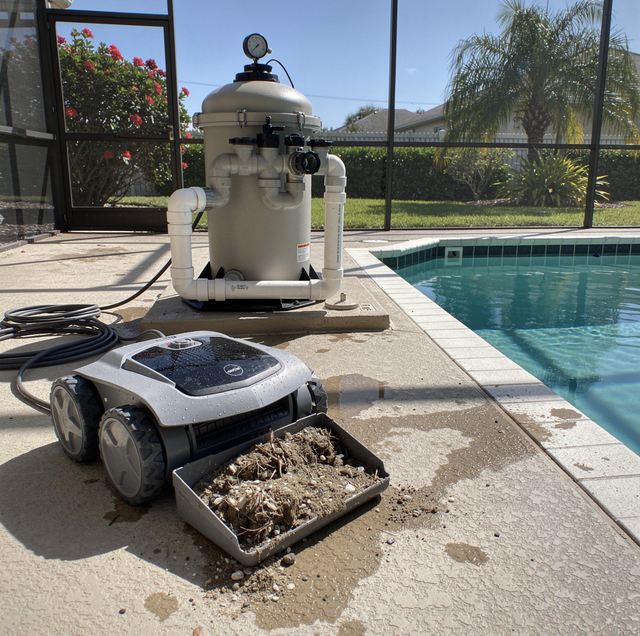
Does a Robotic Pool Cleaner Replace a Whole Service Visit?
The robot reaches the deep-end wall, climbs it, and, at the tile band, either turns and tracks back down or crawls the last inch and runs the line.
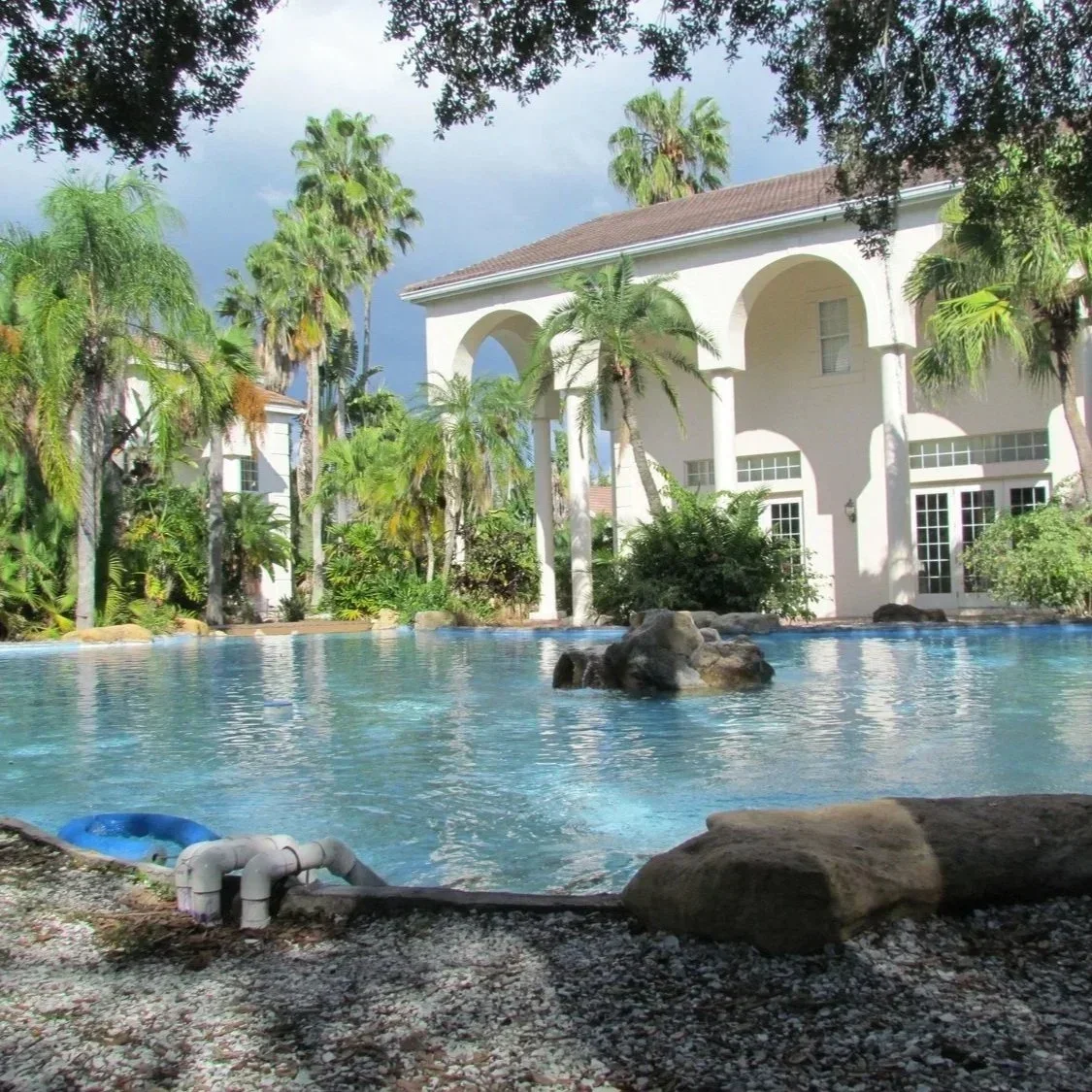
What to Check Before Buying a Home with an Existing Pool
The pool looked perfect during the showing. Clear water, tile that still had some shimmer, and the seller mentioned the pump had been "recently serviced." Three weeks after closing, the filter pressure alarm kept tripping. You opened the equipment pad and found a pump twelve years past its expected lifespan, a filter with a cracked manifold patched with pool putty, and wiring to the light niche that hadn't been touched since the house was built. What felt like a bonus feature on the listing had become a repair bill that rivaled the home inspection itself.
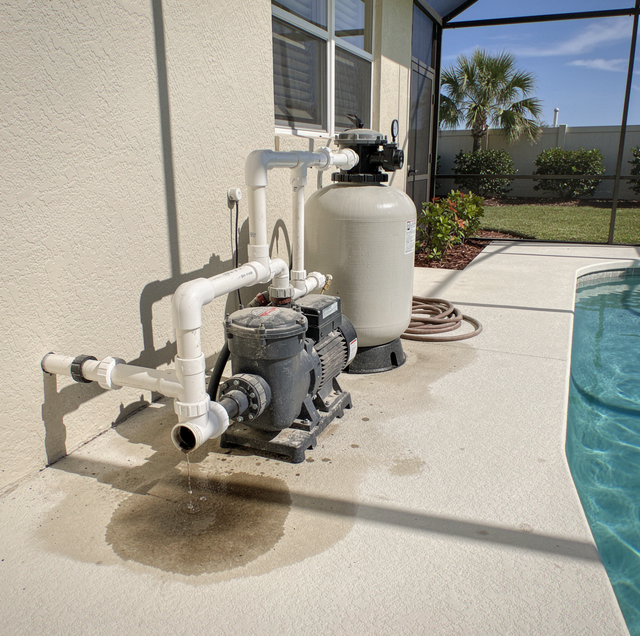
Where Your Pool's Water Is Actually Going
You have topped off the pool for the third week in a row, and the hose has practically earned a spot on the deck.

Why Does Pool Water Burn Swimmers’ Eyes Even When Chlorine Is Normal?
You get out of the pool, your kids are rubbing their eyes with their towels, and everyone's blinking like they walked through smoke. You grab the test strips. The chlorine reads fine — right in the middle of the target range. So what's burning them?
This is one of the most common complaints pool owners hear, and one of the most misread. The instinct is always to blame high chlorine, but chlorine by itself — at normal swimming concentrations — doesn't cause that sharp, prolonged eye burn. The chemistry is more specific than that.
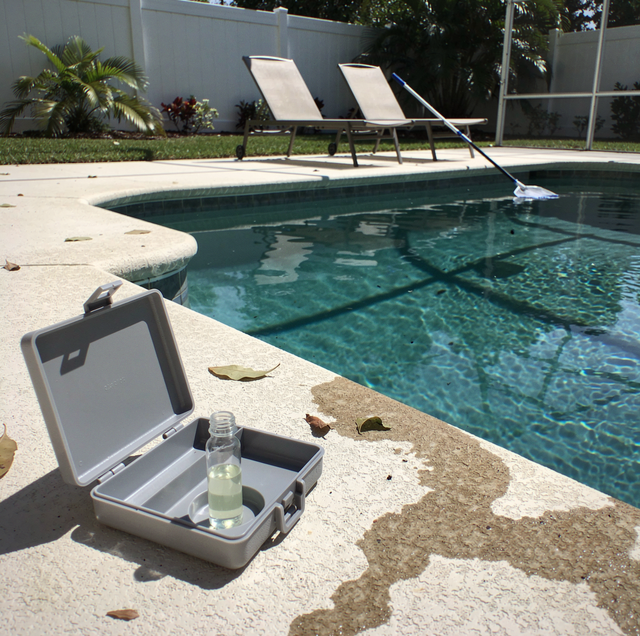
Why Is Your Pool Eating Through Chlorine in Summer?
You shock the pool at night, test it the next morning, and the reading looks fine.
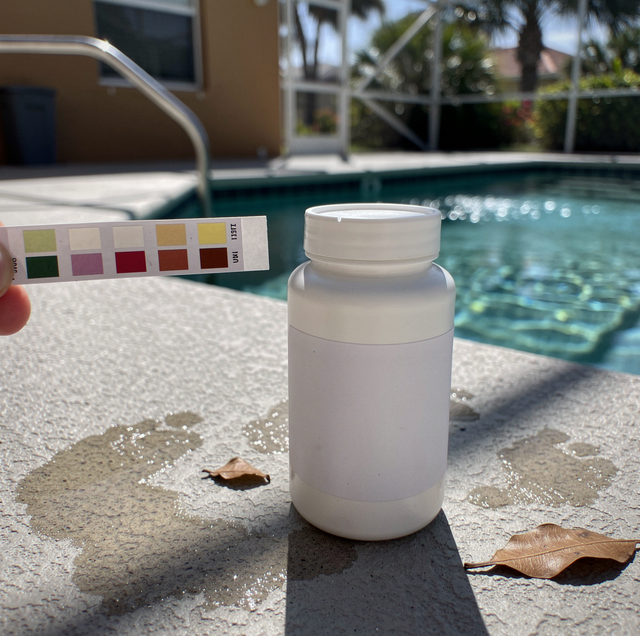
Weekly Pool Service vs. DIY: An Honest Comparison
You dip the test strip on a Saturday morning, hold it up against the bottle, and squint.

How Much Water Does a Pool Lose to Evaporation vs a Leak?
You have been adding water to the pool more often than you used to. Maybe an inch every few days, maybe more. You check around the equipment pad, you don't see anything dripping, and the pump sounds fine. So you chalk it up to the Florida heat — and you might be right. Or you might be slowly draining thousands of gallons a month into the ground without knowing it.
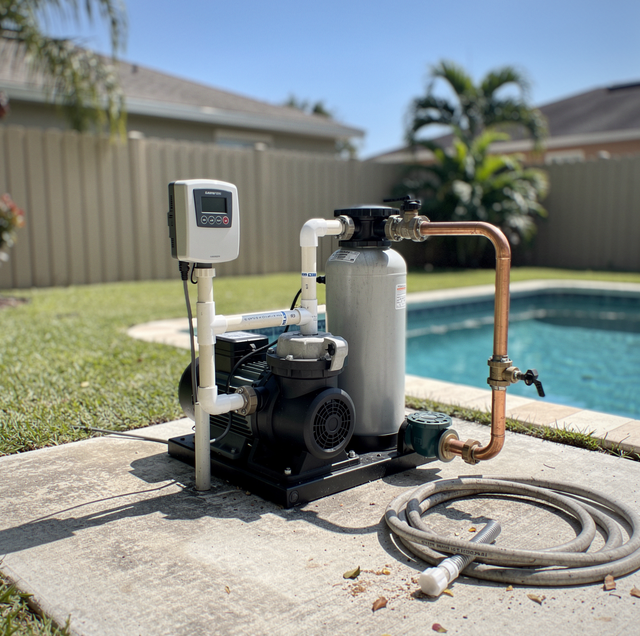
Single-Speed vs. Variable-Speed Pool Pump: Which One Actually Saves More?
Stand next to a pool equipment pad at two different houses, and you'll hear the difference before you see it.
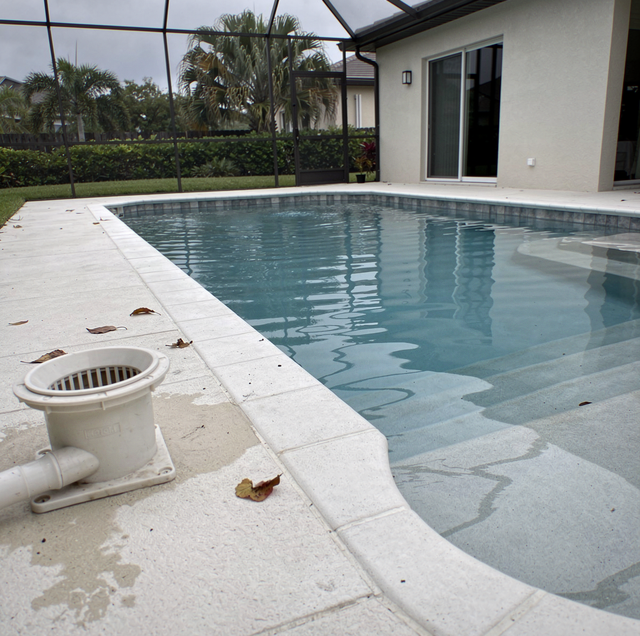
How to Get Your Pool Ready Before a Hurricane
The forecast cone shifts, the outer bands are still a day or two out, and suddenly the pool that's been background noise all summer becomes the thing you're standing next to with a mental checklist and no idea where to start.
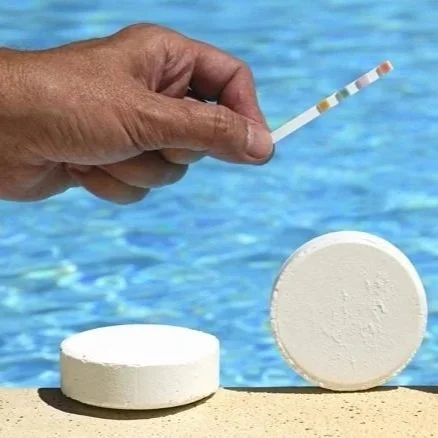
UV Rays vs. Pool Chlorine: Why Outdoor Pools Lose Sanitizer So Fast
You added a full dose of chlorine yesterday. This morning the test strip barely shows a trace. Nothing happened — no storm, no party, no obvious explanation. You check your skimmer basket, look at the pump pressure, wonder if the tablets are sitting wrong. But the culprit isn't your equipment or your technique. It's been overhead the entire time.
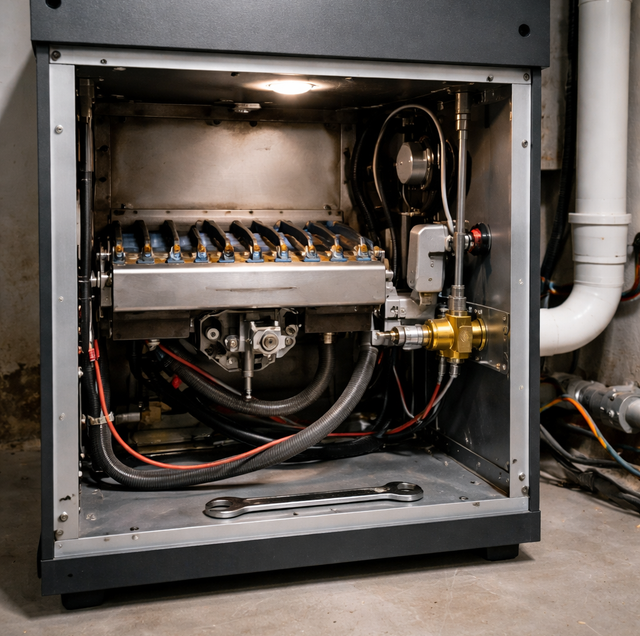
Pool Heater Not Heating? 8 Reasons the Water Stays Cold
You set the temperature, the unit hums to life, and hours later the water is still too cold to enjoy.

Pool Waterline Crust? What Calcium Scale Is Telling You
You run your hand along the tile at the top of the water and feel it before you see it: a rough, chalky band where the smooth surface should be.

Should You Drain Your Pool Before a Hurricane or Major Storm?
The storm track shifted overnight, and by morning Pinellas County is sitting squarely inside the cone. You have 48 hours. Between hanging shutters, filling gas cans, and securing patio furniture, you're standing at the edge of a full pool wondering whether to drain it before the storm arrives.
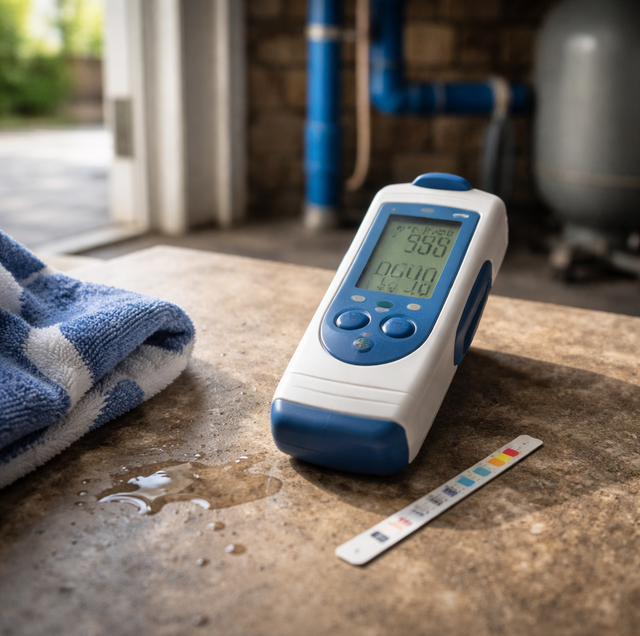
Pool Water Chemistry Basics: The 5 Numbers That Matter
Clear, comfortable pool water comes down to a short list of numbers, and once you know what each one does, the guesswork mostly disappears.
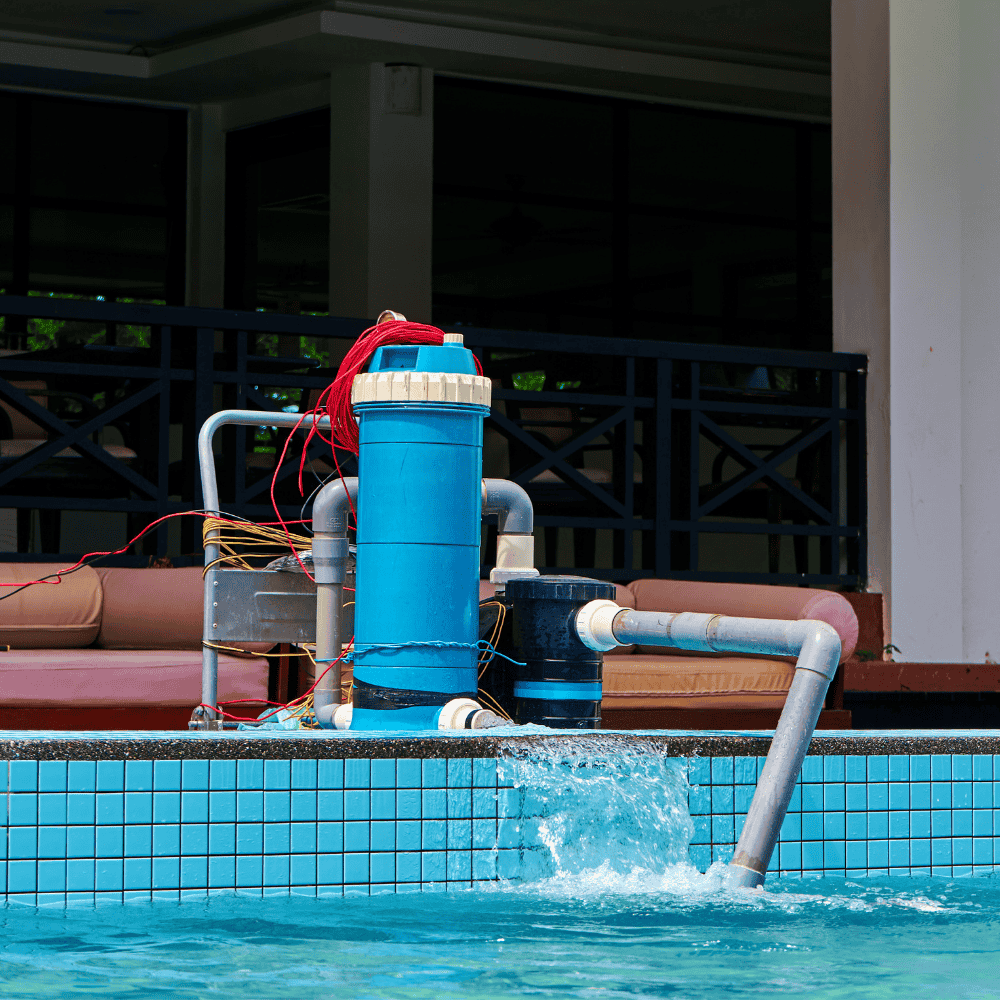
Why Is Water Coming Out of My Pool’s Backwash Line?
You notice a trickle seeping out of the backwash line while the pump is running — or maybe a steady stream strong enough to puddle in the grass beside the equipment pad. The multiport valve is turned to Filter, not Backwash. So why is water leaving through an exit that should be sealed shut?
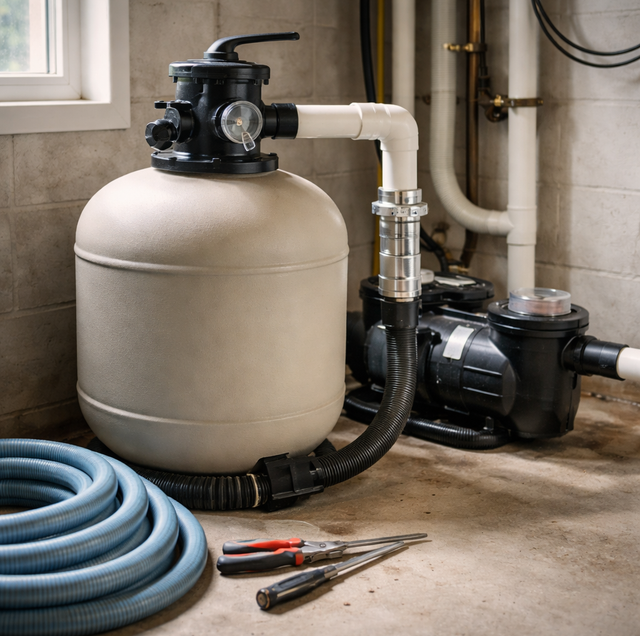
How to Backwash a Pool Filter (and Exactly When)
Your filter does the quiet, thankless work of pulling dirt, oils, and fine debris out of the water so the pump can keep pushing clean flow back to the pool.
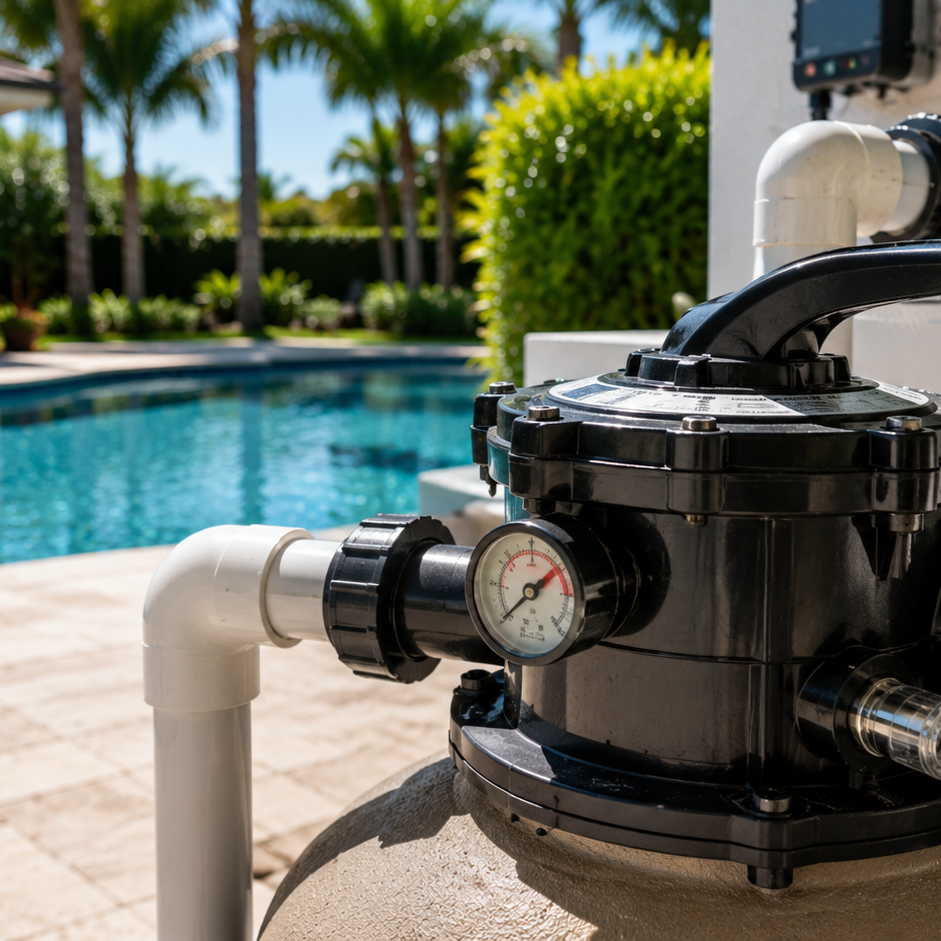
How a Failing Multiport Valve Disrupts Your Pool’s Circulation
Your pool is running. You can hear the pump humming, and the pressure gauge looks fine. But the water's hazing up again. Debris circulates instead of getting caught. The backwash port is dripping when it shouldn't be. You shock it, the water clears for a day, then drifts back. Something is wrong — it just isn't announcing itself.
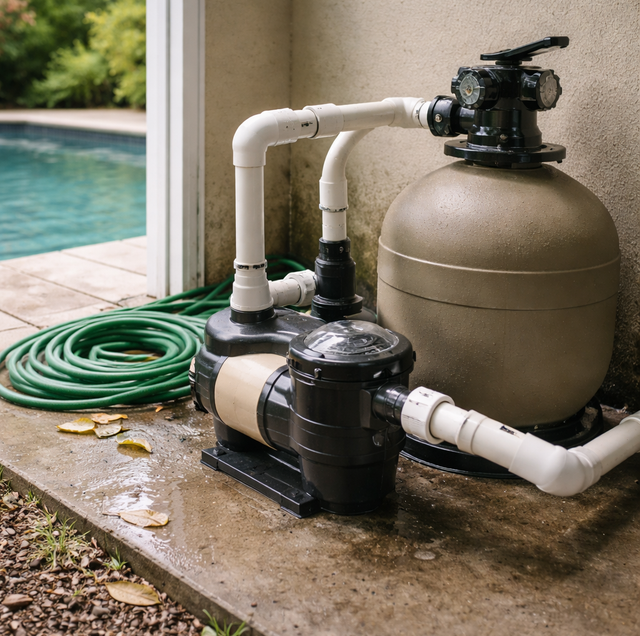
How Long to Run Your Pool Pump: The 1-Turnover Rule
Ask ten pool owners how long they run the pump, and you will get ten different answers, most of them guesses.
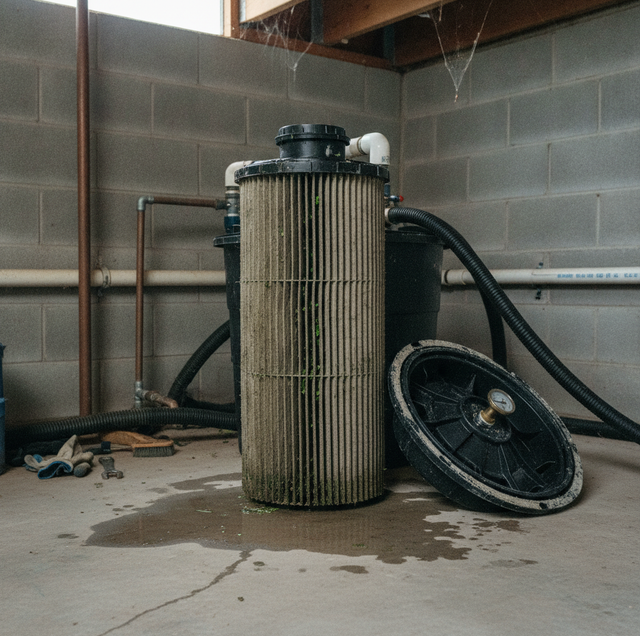
Pool Filter Pressure High, Flow Low? The One Number That Explains It
You walk out to the pool, glance at the filter gauge, and the needle is sitting higher than you remember. Then you look at the returns, and the water is barely stirring the surface. High pressure and weak flow at the same time feels like a contradiction. It isn't. It's one of the clearest signals your equipment gives you, and once you understand what the gauge is actually measuring, the fix usually points to itself.
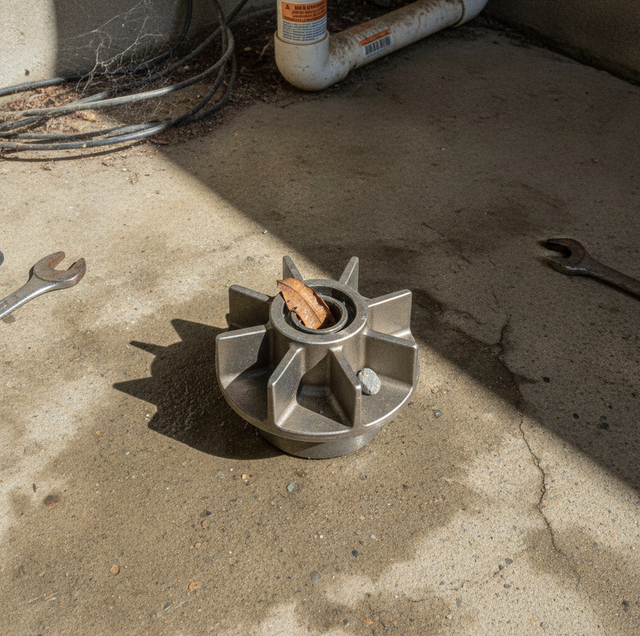
Why Is My Pool Pump Humming? 5 Causes to Check First
A healthy pool pump makes a steady, low hum you can talk over without raising your voice. So, when that hum turns loud or strained, or is paired with weak flow at the returns, the pump is telling you something specific. A loud hum is not a single problem; it is a short list of very different problems, each leaving its own fingerprint. Sorting them out before you touch anything saves you from replacing a part that was never broken, and it keeps a cheap fix from turning into a burned-out motor.